A Hawaiian rancher lives with the island’s exploding axis deer population. Made for Mālama Maui: The Land We Hold.
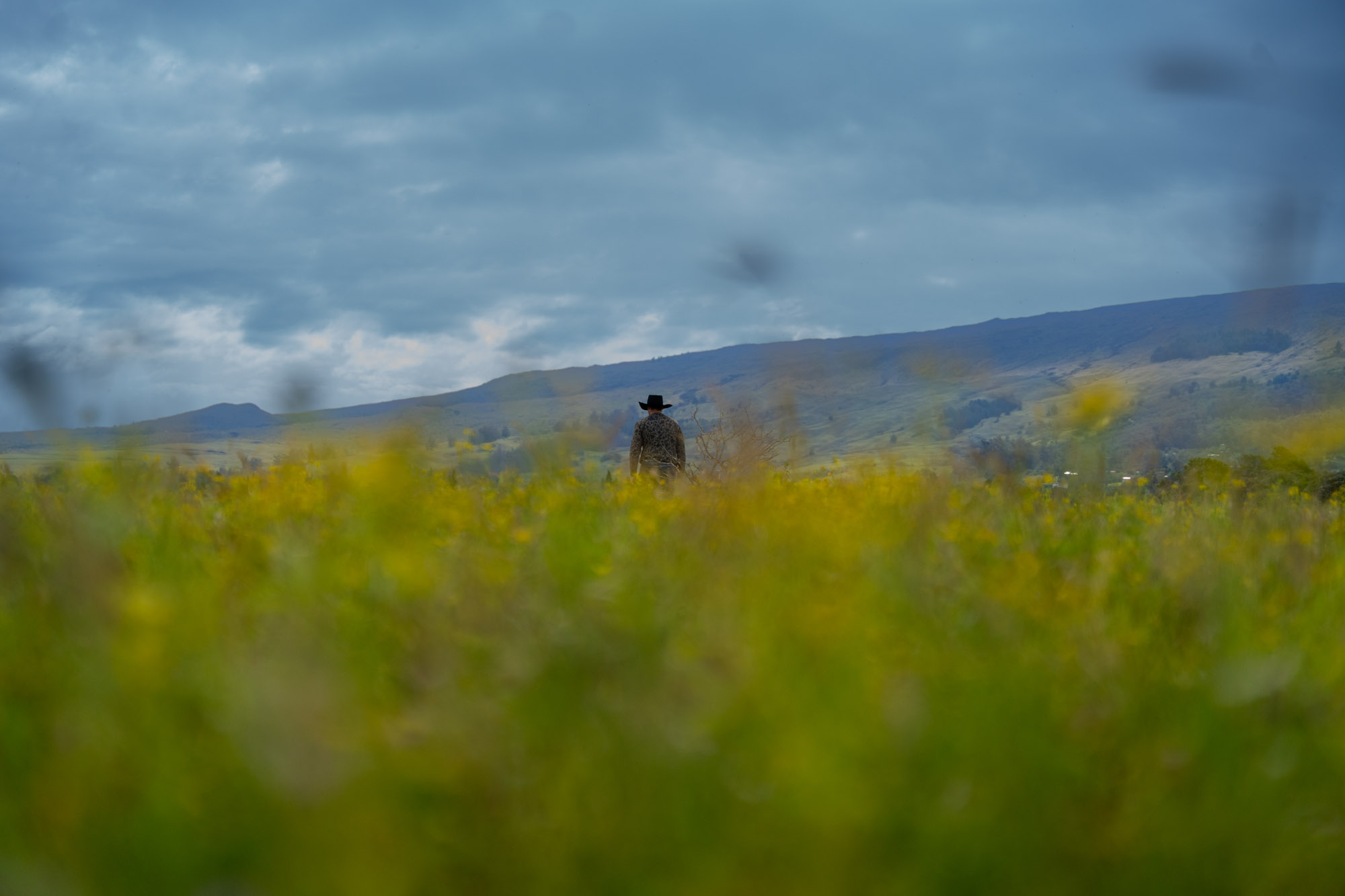
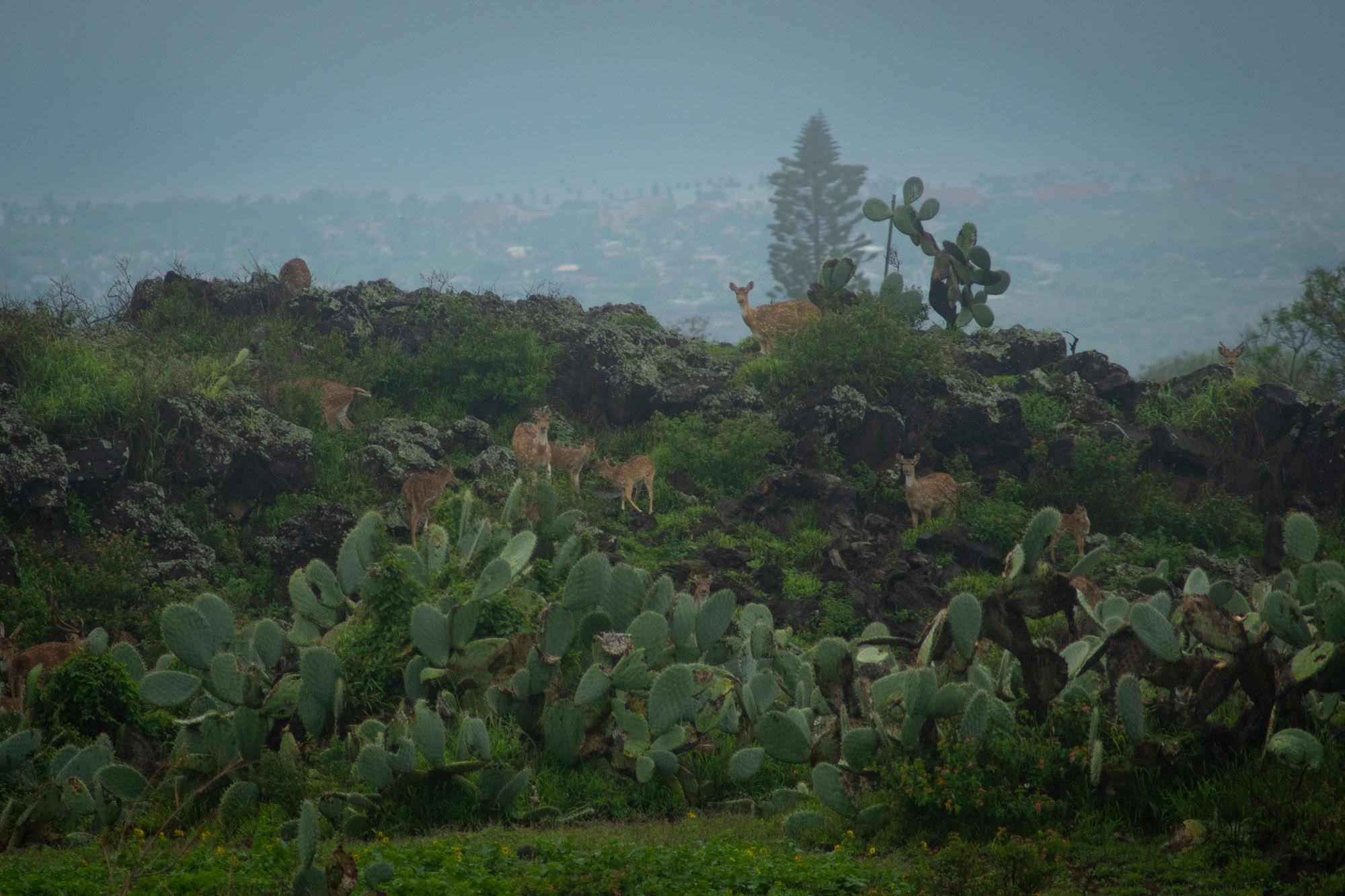
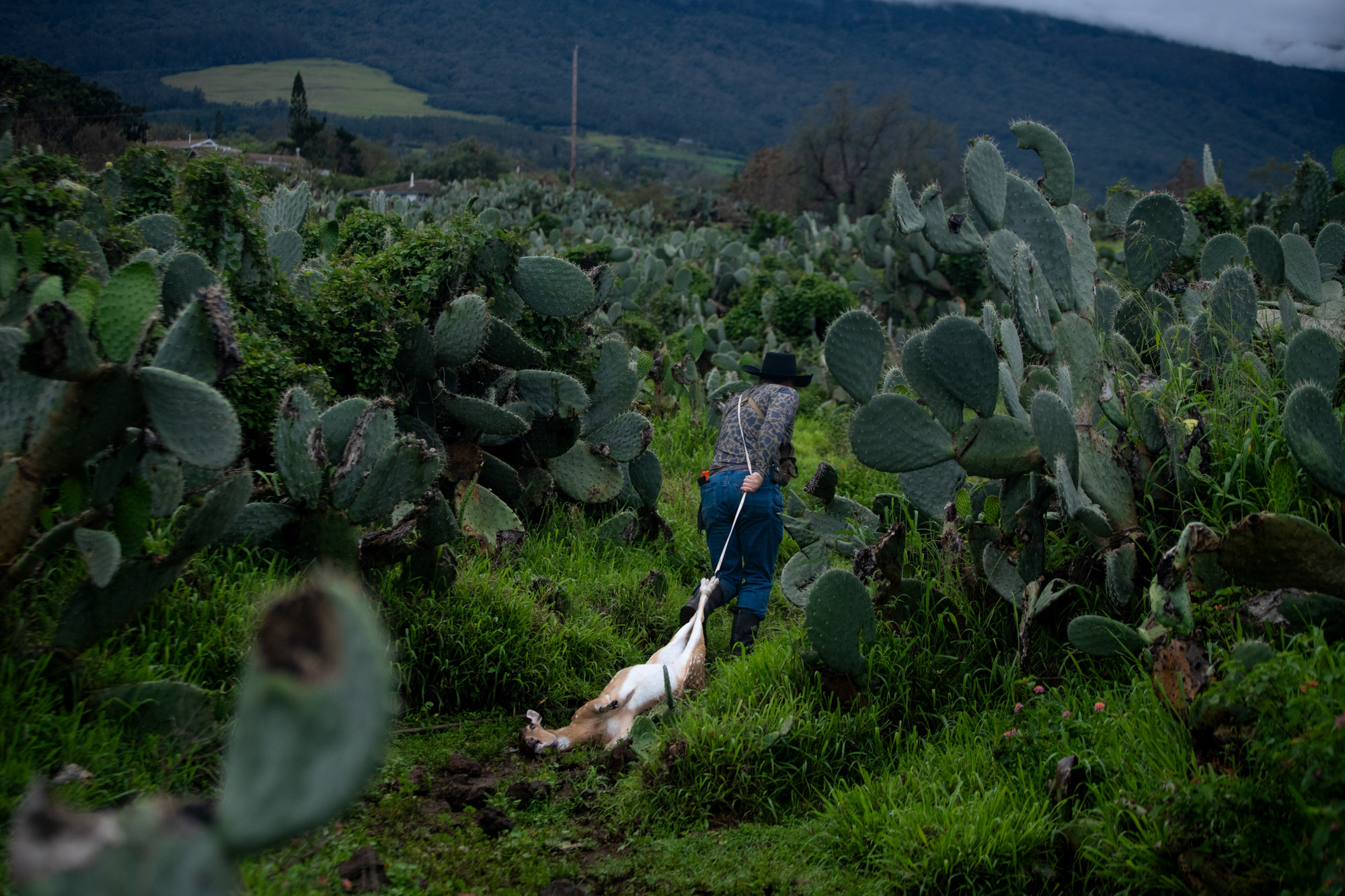
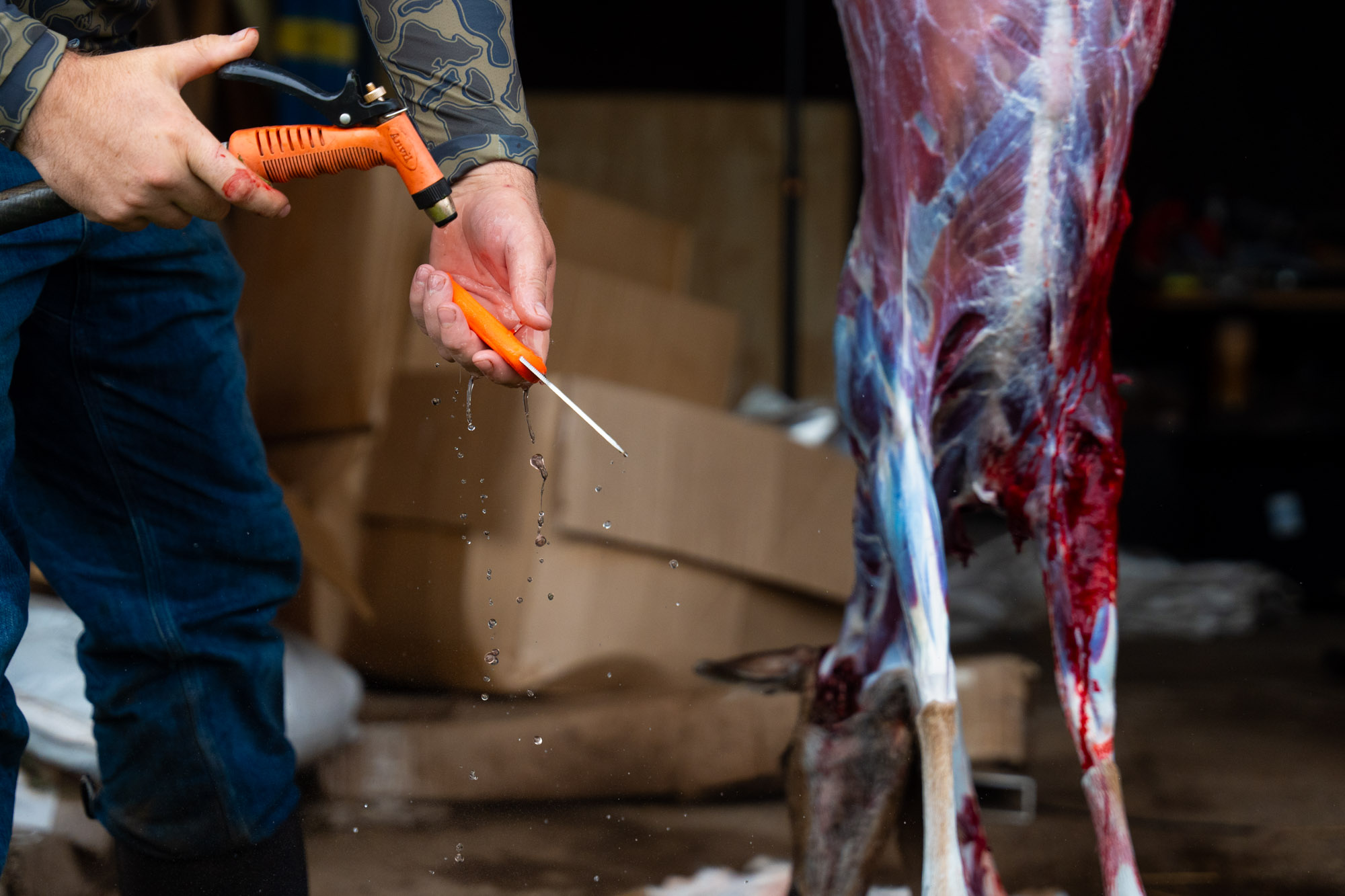
Hawaiian rancher Daniel Jacintho has faced many challenges due to the large population of invasive axis deer on Maui.Fireweed, a non-native plant named for how quickly it spreads, replaces viable grass for cattle and is broadly dispersed by axis deer as they graze for food.Jacintho offers guided hunting of the axis deer to reduce the numbers on his farm and help offset the costs of damages the deer cause.Axis deer can regularly be found grazing during the day, as the deer face no natural predators in Maui.On an average hunting day, Jacintho estimates he kills an average of 2 to 3 deer.The axis deer were first introduced in 1959 as hunting game, but have since grown and pose a large risk to the local environment.As a participant of the Hawaii Division of Forests and Wildlife’s Axis Deer Landowner Incentive Program, Jacintho can earn up to $50 per deer tail he turns in.The drawback of hunting the deer is that Jacintho loses much of his day in the process of transporting, cleaning and harvesting the remains.Ranchers in Maui have been hit hard by the axis deer problem and have had to deal with increased feeding costs, fencing installation, trespassing and poaching.Jacintho is carried by a hope that soon there will be a better solution to the axis deer problem, and in the meantime will continue his balance of farming and hunting.